Equity’s recent vote to refuse onset digital scanning is a pretty clear signal: performers aren’t “anti-tech” they’re pushing back against unclear consent, unclear future use, and unclear compensation. Reports put the “yes” vote at ~99%+ with strong turnout, and it’s tied directly to Ai protections and negotiations with producers’ body Pact.
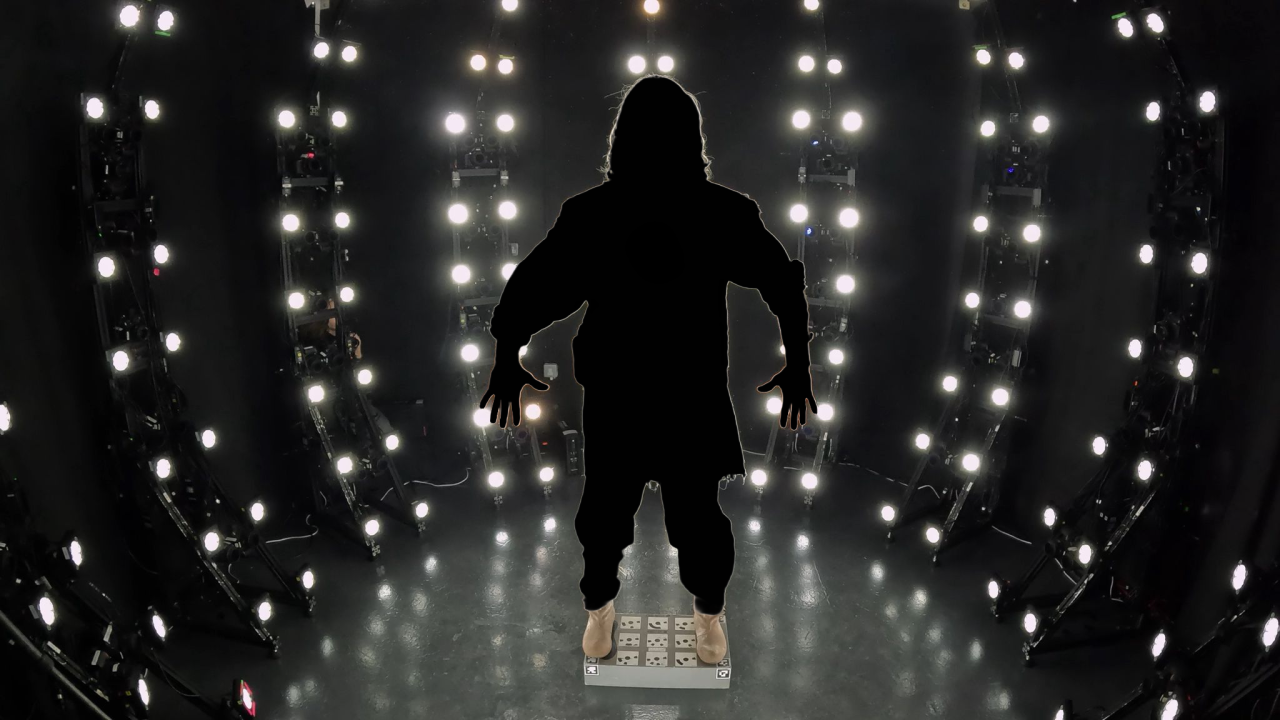
I actually think actors have pinpointed something the industry has underweighted for years: a 3D scan isn’t just another piece of media. It’s a reusable, high-fidelity capture of reality and with Ai it’s a resource that compounds in value over time.
The path forward isn’t a land-grab or a freeze on innovation. It’s data sovereignty: explicit, purpose bound consent; transparent chain of custody; audit trails; and practical remuneration mechanics when likeness data is reused. Equity themselves frame this around consent, transparency, and fair pay. 
The 3D scanning industry needs to be part of the solution here. We’re capturing hundreds and increasingly thousands of scans per production now, that scale is new and this challenge is new.
This is exactly the gap Volustor has been built to close: treating scans as high value, high-sensitivity “reality assets” with governance strong enough for the Ai era so studios can innovate and performers can be protected and participate in the upside.
At its best, 3D scanning has already been a positive force in filmmaking: it’s helped bring set designers, prop makers, and costume teams back to the centre of productions by leveraging their real-world craft and aesthetics, while still keeping the efficiencies of modern digital pipelines (avoiding the “rebuild everything” through CGI approach).
I think we’re still at the beginning of the data story for 3D scans and we have a real chance to get this right and keep being a positive force in the industry: with consent, clarity, and fair value sharing baked in from the start. If we work together, there’s a better future here for performers, productions, and the whole ecosystem.